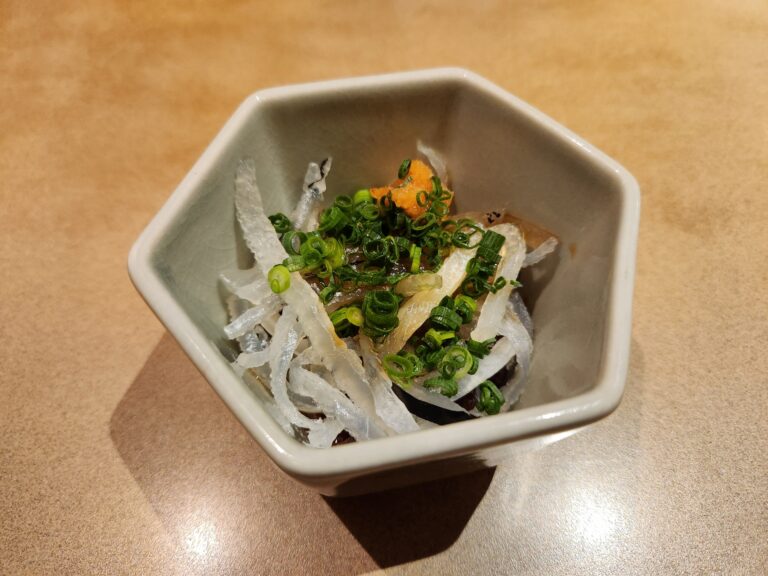
Washoku — traditional Japanese cuisine — was inscribed on UNESCO’s Intangible Cultural Heritage list in 2013. Not for its ingredients or its techniques, but for what it represents: a deep respect for nature, a reverence for the seasons, and the Japanese belief that a meal should nourish the spirit as much as the body.
At Nadeshiko, we cook in that tradition. Every ingredient is chosen for what it tells us about this moment in the year.
Our Kitchen
A dish that
took three days
to prepare.
Our dashi — the invisible foundation of Japanese cooking — is made from first-press Hokkaido kombu and hand-shaved katsuobushi, steeped overnight and strained at dawn. This stock forms the base of almost every dish we serve, carrying a depth of flavour that cannot be rushed or substituted. When you taste our soup, you are tasting three days of patience. That is the essence of washoku.
Seasonal Menu
What the Season Brings
Our menu changes completely four times a year. What you eat depends entirely on when you visit — and that is exactly how it should be.
春
Spring · Mar — May
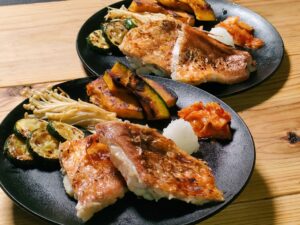
Sakura-smoked sea bream with bamboo shoot and sansho
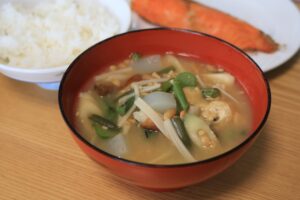
Wild fern and tofu in dashi broth
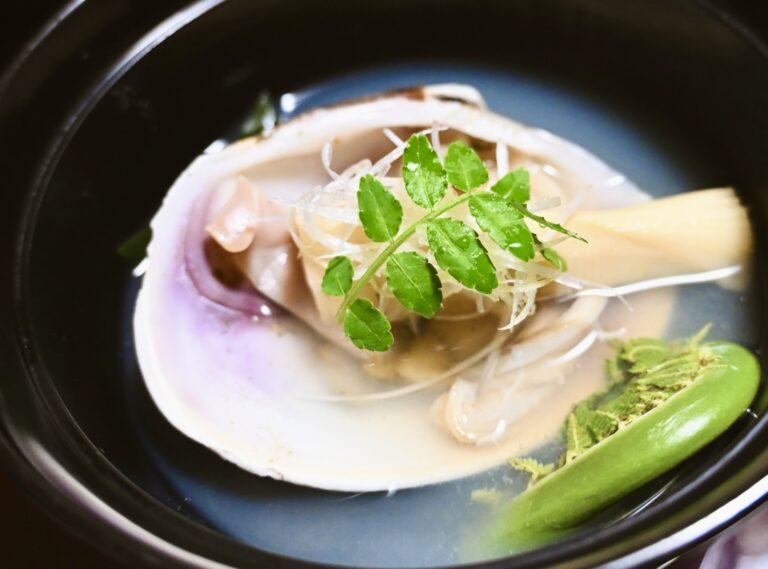
Clam soup with cherry blossom salt
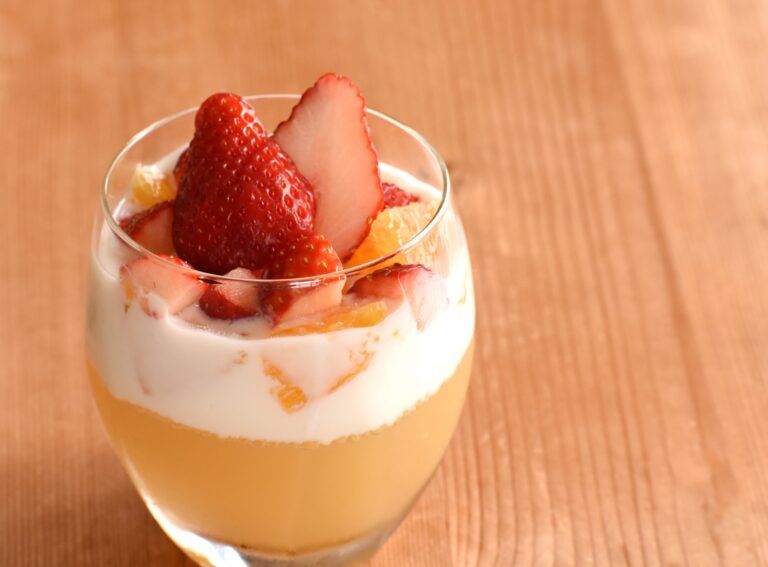
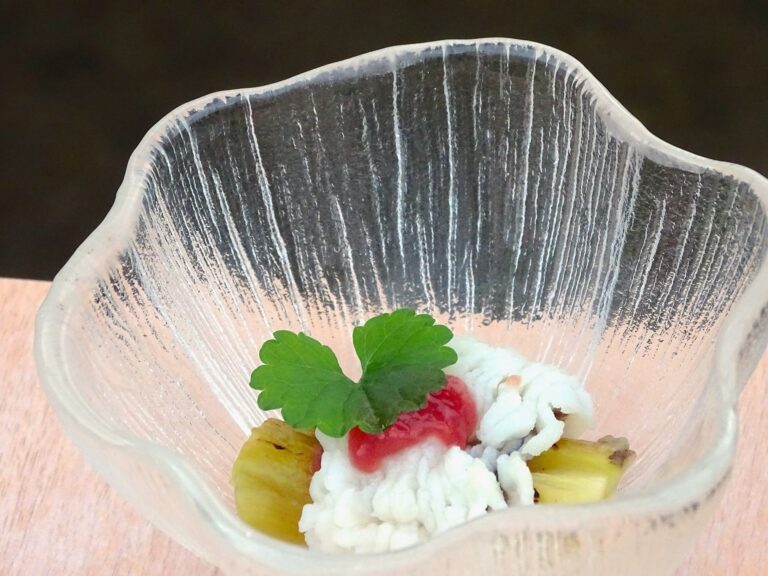
Strawberry and amazake dessert
夏
Summer · Jun — Aug
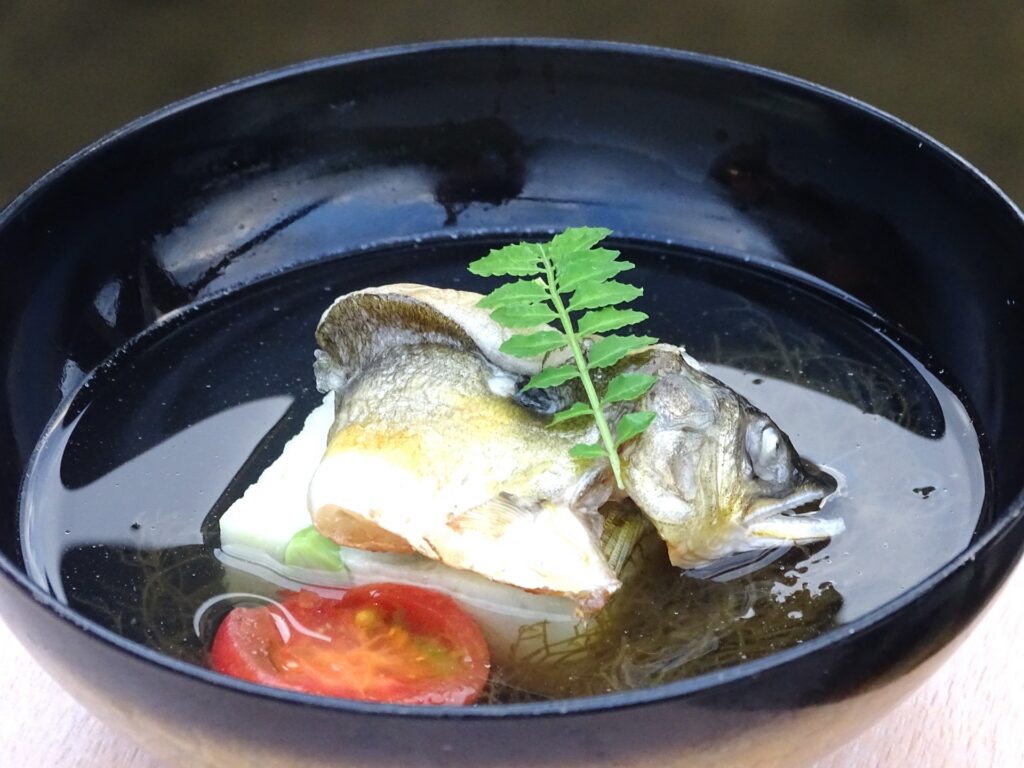
Chilled ayu sweetfish with green plum vinegar
Hamo eel with Kyoto white miso
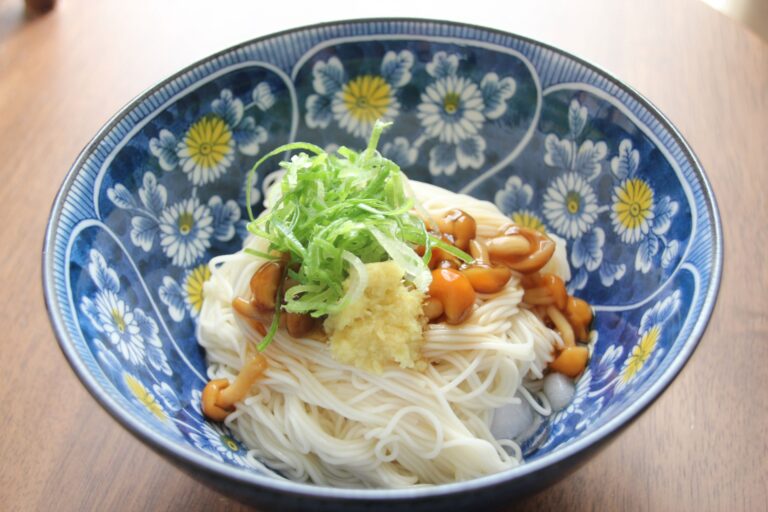
Cold somen noodle with myoga and shiso
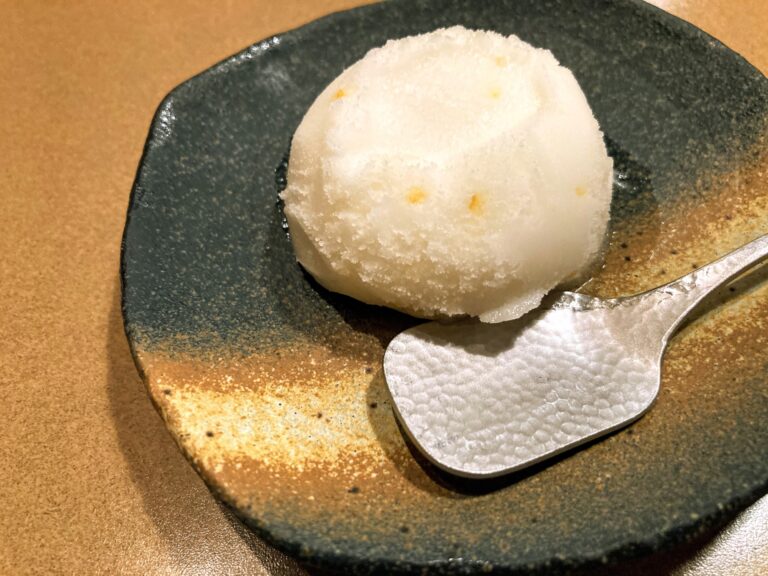
Yuzu sorbet and kuzu jelly
秋
Autumn · Sep — Nov
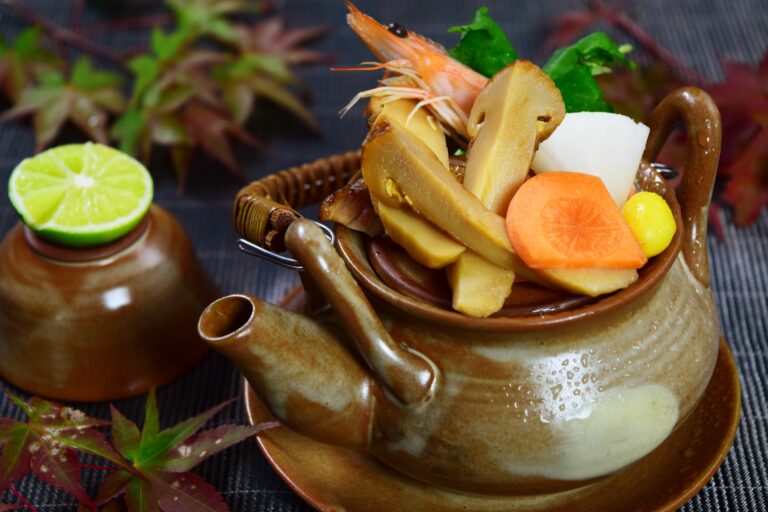
Matsutake mushroom with ginkgo
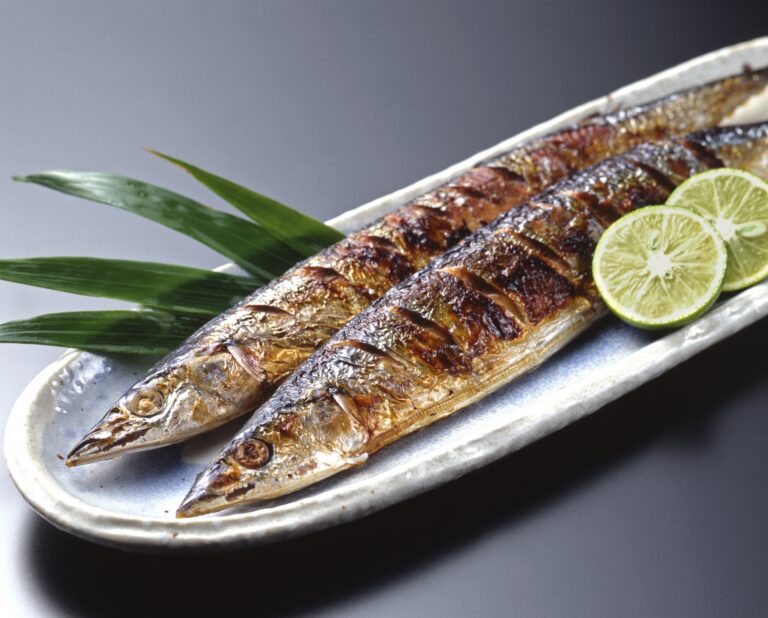
Sanma saury with grated daikon and sudachi
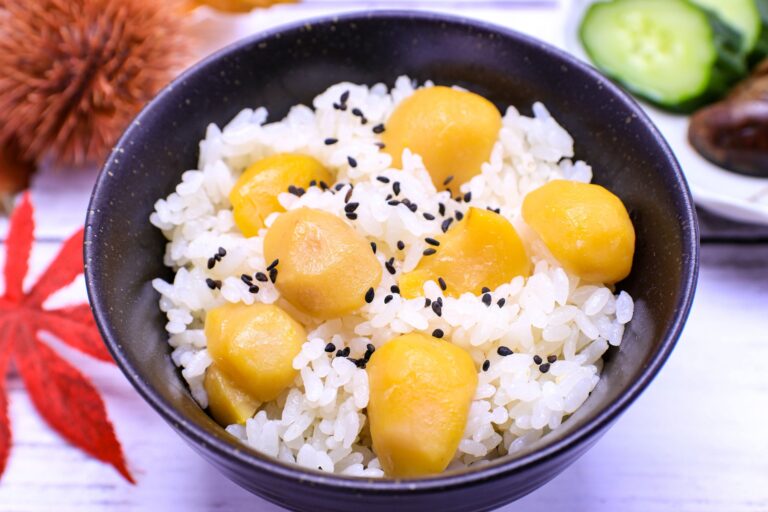
Chestnut and taro dengaku miso
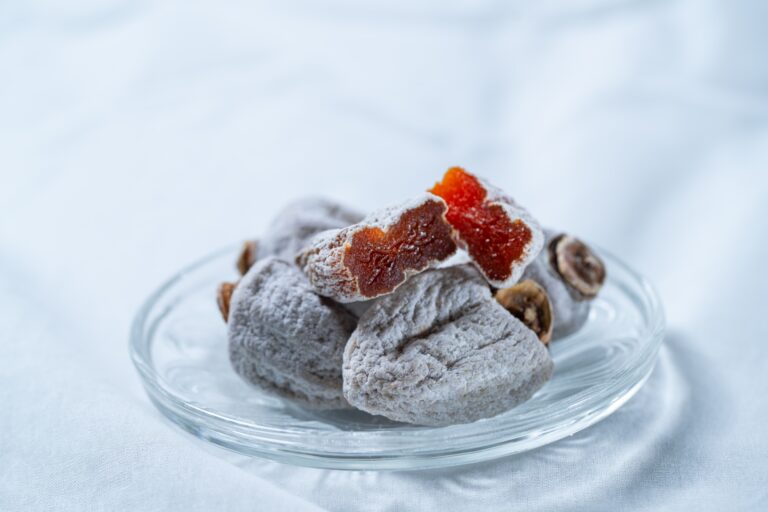
Persimmon and sesame tofu dessert
冬
Winter · Dec — Feb
Fugu blowfish hot pot with ponzu
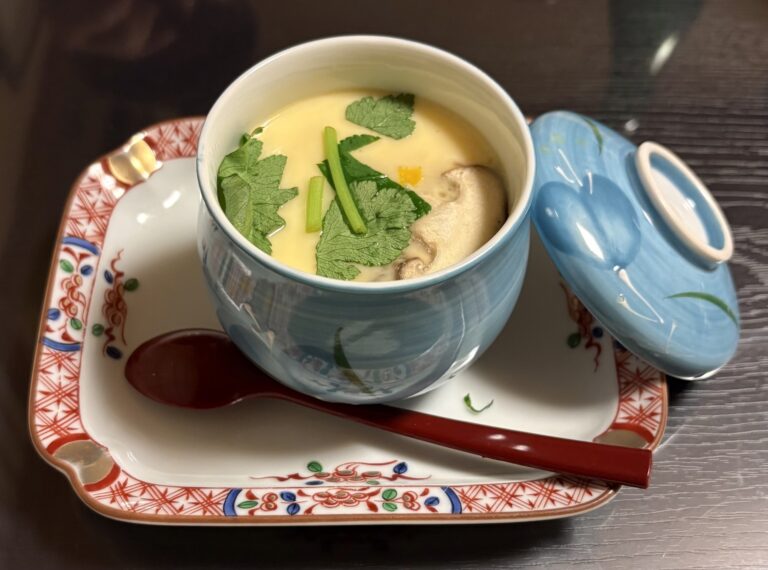
Snow crab chawanmushi with yuzu foam
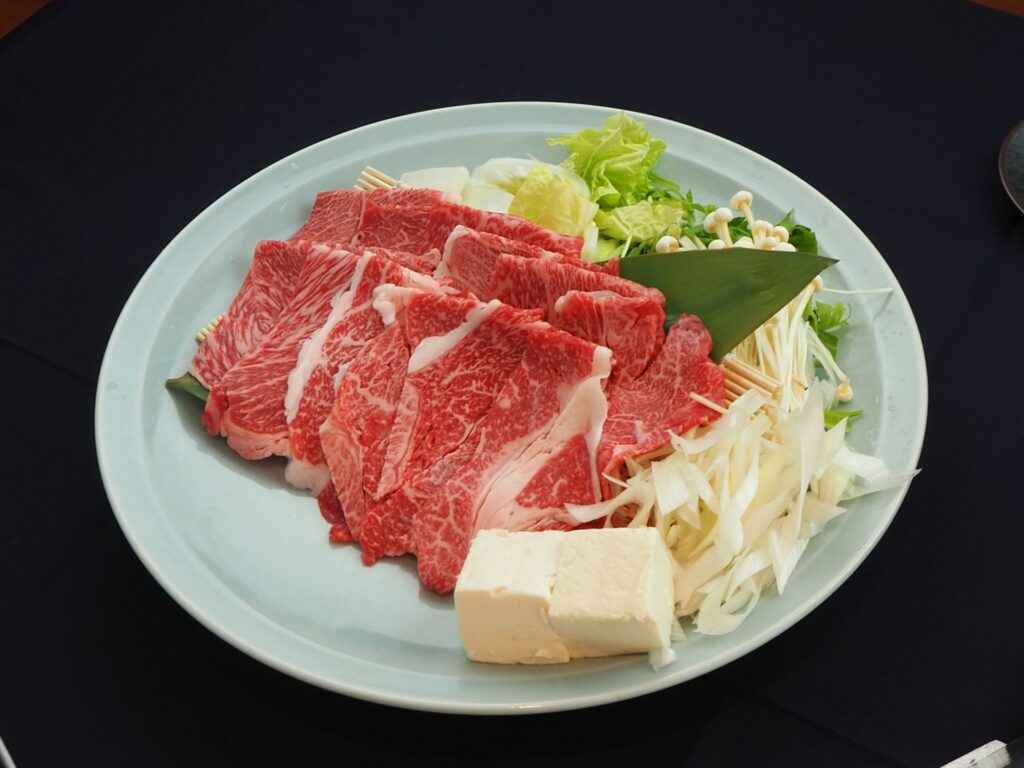
Wagyu beef shabu with winter vegetables
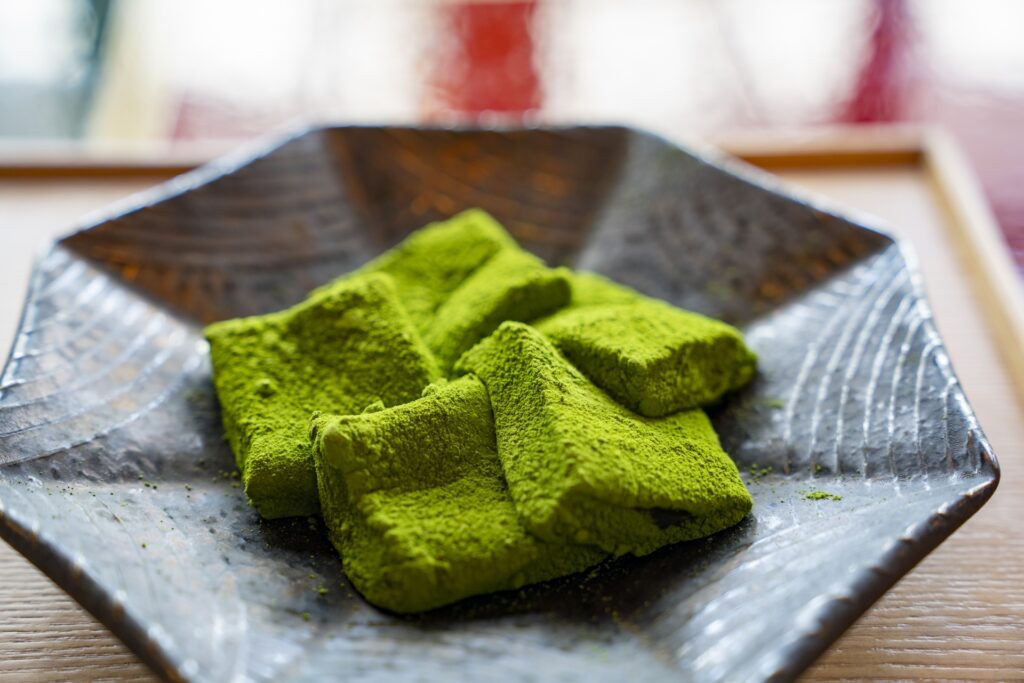
Matcha warabi mochi with kinako
Menu changes monthly. Dishes shown are representative — please ask about today’s selection.
Course Menu
Choose Your Experience
Lunch
Hana Course
A refined introduction to washoku. Five seasonal dishes including sashimi, soup, a grilled item, and rice. Perfect for a leisurely weekday lunch.
¥5,500
5 courses · approx. 75 min
Dinner
Tsuki Course
The heart of our seasonal menu. Eight courses showcasing the full range of washoku techniques — from delicate appetisers to a warm closing bowl of rice and pickles.
¥12,000
8 courses · approx. 105 min
Omakase
Yuki Omakase
Our full omakase experience — twelve courses designed entirely around what arrived at market that morning. The most personal expression of our kitchen. Trust the chef completely.
¥22,000
12 courses · approx. 150 min
All courses include vegetarian and allergen-adapted options — please notify us at the time of reservation.
Our Guides
Silence is part
of the meal
at Nadeshiko.
We have sixteen seats. Not because we couldn’t build more — but because we believe that good food requires stillness. You will hear the sound of the chef’s knife, the gentle bubble of broth, and the quiet of your own attention. Our private tatami rooms accommodate groups of two to eight for ceremonies, celebrations, or simply evenings that deserve to be remembered. Reservations are essential.
Head Chef
Takashi Mori
MORI TAKASHI
Chef Mori trained for seven years under a Kyoto kaiseki master before opening Nadeshiko in 2009. He has since received recognition as one of Tokyo’s most precise and seasonally-driven Japanese chefs.
His philosophy is simple: every ingredient on the plate must earn its place. If it does not add to the story of the season, it does not appear.
Trained under Kyoto kaiseki master — 7 years
Michelin Bib Gourmand recognised — 3 consecutive years
Featured in Japan Times, Saveur, and The Guardian
Gallery
Food & Atmosphere
Reviews
What Guests Say
★★★★★
The omakase course was the most beautiful dining experience of my life. Each dish was a story — quiet, precise, and impossible to rush. The dashi alone was worth the flight from London.
Charlotte B. — United Kingdom
★★★★★
We booked the tatami private room for our anniversary. The staff had prepared a handwritten menu card with our names. We didn’t ask for it — they simply did it. That is hospitality I will not forget.
Jean-Paul & Claire — France
★★★★★
Chef Mori came to our table to explain the matsutake course in autumn. His passion for each ingredient was moving. I now understand why Japanese food is a UNESCO heritage. This is the restaurant that taught me.